Retatrutide itself remains an investigational compound it has not received marketing authorisation from the MHRA in the UK, the European Medicines Agency (EMA), or the US Food and Drug Administration (FDA)
Plant Physiol 141(2):391396 Begara-Morales JC, Chaki M, Valderrama R, Mata-Prez C, Padilla M, Barroso JB (2019) Transcriptional regulation of gene expression related to hydrogen peroxide (H2O2) and nitric oxide (NO)

The Promising Findings GHK-Cu has the most robust human evidence, particularly for topical skincare applications BPC-157 shows impressive results in animal studies for wound healing, collagen production, and tissue repair Peptides generally have favorable safety profiles in the studies that exist The mechanisms make biological sense: peptides do play real roles in healing The Limitations Most studies on BPC-157 and TB-500 are animal-based, not human There are no standardized dosing protocols for most injectable peptides Long-term safety data in humans is limited Many peptides are not FDA-approved for cosmetic or surgical recovery purposes Quality control varies widely between compounding pharmacies Important: Many injectable peptides are classified as research compounds and are not approved for human use outside of clinical trials
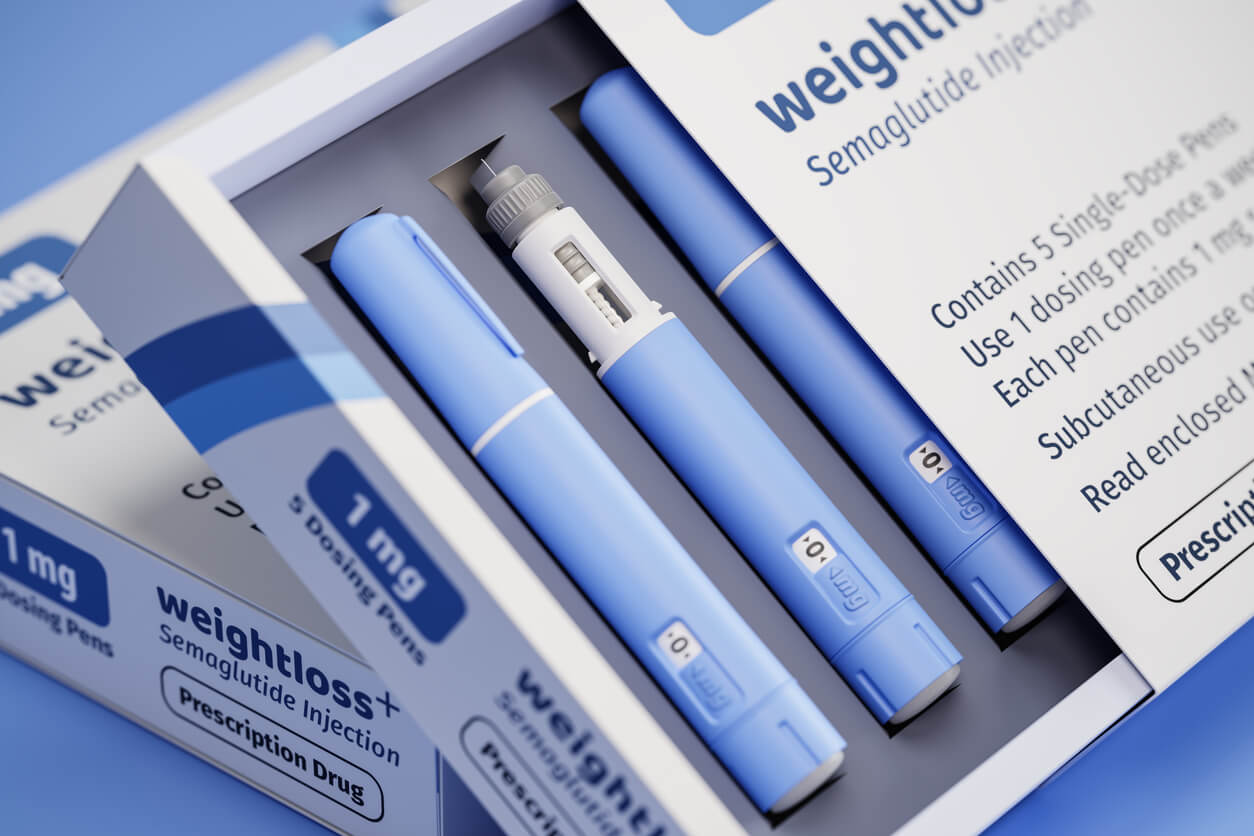
In practice, most compounded vials and prefilled syringes are expected to remain viable in the refrigerator for roughly 30 to 90 days, but you must follow the pharmacys BUD and discard anything past that date